


After Copying: The Many Lives of Medieval Manuscripts
A collection of studies exploring the many lives of manuscript books in medieval Southern Italy
When we think of a medieval manuscript, our attention is often drawn to the moment of its creation: the scribe copying the text, the illuminator decorating its pages, or the monastery and scriptorium in which the codex first took shape. Yet the history of a book does not end with its production. On the contrary, that moment marks the beginning of a new phase in its existence.
Over the centuries, manuscripts were read, annotated, corrected, expanded, restored, dismantled and sometimes reassembled. They passed from hand to hand, moved between libraries, institutions and geographical areas, accumulating traces that reveal how they were used and reinterpreted by the communities that preserved them. The study of these layers of intervention allows scholars to reconstruct important aspects of medieval cultural history that often remain hidden when attention is limited to the transmitted text alone.
Two years after the international conference Uses and Reuses of the Manuscript Book in Medieval Southern Italy, previously presented in a MeMo story (MeMo in Dialogue with International Research), the reflections that emerged from that scholarly meeting have now been brought together in a volume that collects and further develops its results. Edited by Angela Cossu and Elvira Zambardi and published in the Bibliologia series by Brepols, the volume brings together contributions devoted to the material history of books, their circulation, and the transformations that shaped their transmission over the centuries.
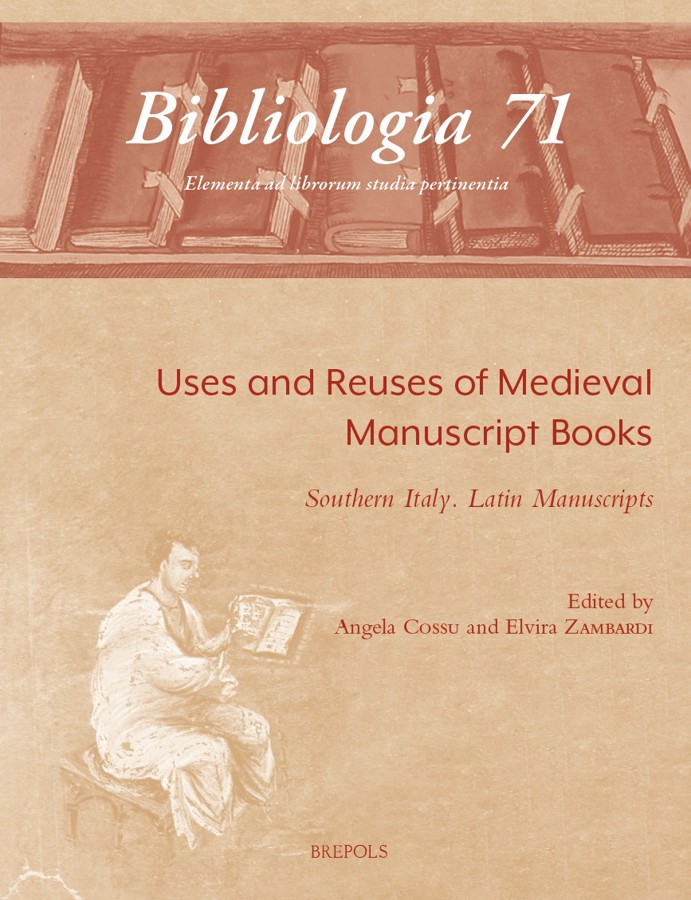
The essays address a wide range of topics, from the movement of manuscripts across different regions to practices of reading and annotation, from the reuse of parchment fragments to the preservation history of illuminated codices. Together, they offer a multifaceted picture of the many ways in which books continued to live beyond the moment of their creation.
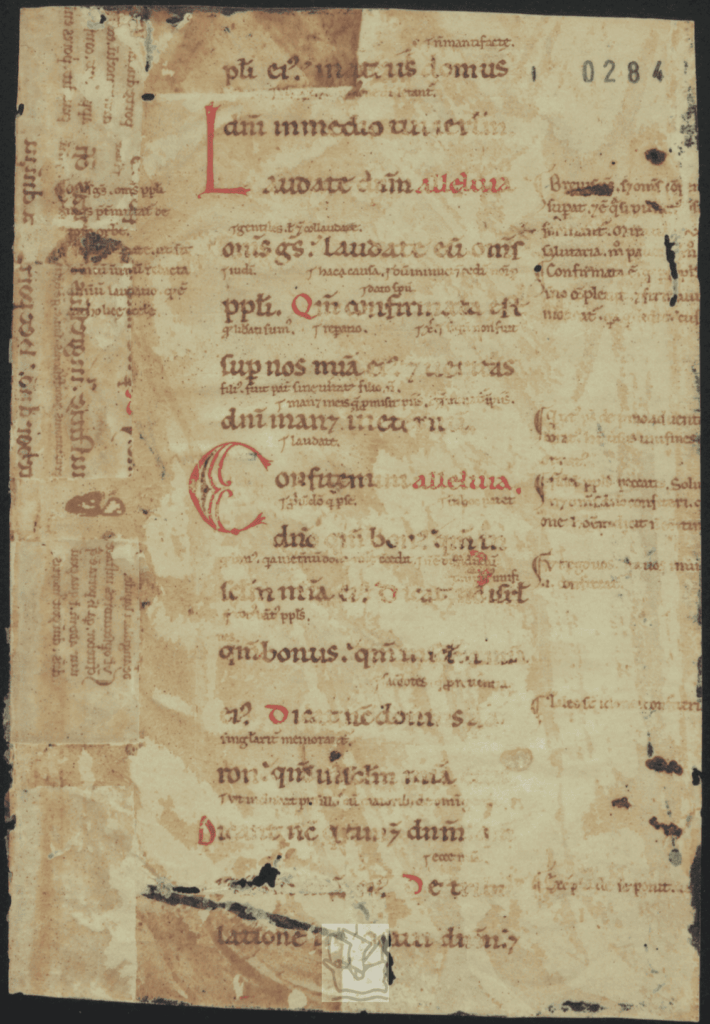
Particularly significant is the volume’s connection with the Memory of Montecassino (MeMo) project. Both editors have been actively involved in the project, and many of the issues explored in the collection closely engage with themes central to MeMo: the circulation of books, the reconstruction of cultural networks, and the study of the traces left by readers, scholars and institutions over time.
The publication thus represents an important contribution to the study of medieval book culture in Southern Italy and bears witness to the vitality of a field of research that views manuscripts not as static objects, but as protagonists of complex histories shaped by encounters, movements, transformations and continuous processes of rediscovery.